Soaring Rack Power Demands Reshape Data Center Design
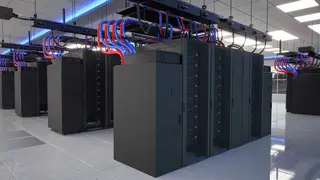
Increasing per-rack power consumption, driven by AI deployments, is forcing data centers to upgrade power delivery and cooling systems. Facilities must also account for structural changes to support heavier loads. These trends are influencing new data center construction and retrofits.
The shift toward AI workloads is driving denser server configurations, which in turn raises the thermal and electrical demands placed on individual racks. Data center operators are responding by rethinking power distribution architectures and deploying more robust cooling strategies, including liquid-based approaches that address heat dissipation more effectively than traditional air systems.
These changes ripple into facility planning. New builds must accommodate heavier equipment loads through reinforced structural designs, while existing sites face retrofits to handle increased capacity. Water usage has also emerged as a key consideration, with efficiency metrics and resilience assessments becoming part of the operational calculus alongside grid constraints that influence site selection.
The push for higher rack densities could accelerate energy consumption across the tech sector, potentially straining local power grids and raising operational costs for cloud providers. Communities hosting data centers may see increased demand for water and electricity, which could affect regional resource availability. Businesses relying on cloud services may face pricing pressure as providers pass along infrastructure upgrade costs, while the broader push for AI capabilities could widen the gap between large hyperscalers and smaller operators unable to fund such capital-intensive retrofits.