Kyiv reports massive surge in Russian jet-powered drone attacks
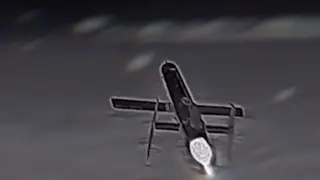
Ukraine's air force spokesperson says Russia has launched 7,700 turbojet drones so far, with monthly numbers jumping from 350 in June to 2,850 in August. These faster drones now account for at least half of Russia's long-range drone strikes, complicating Ukrainian air defenses. Kyiv alleges the engines and electronic components are sourced from China and Western firms, bypassing sanctions.
The turbojet drones represent a significant technological shift from the propeller-driven Geran-2, which flew at roughly 115 mph and could be intercepted by modified quadcopters. The newer Geran-3, modeled on Iran's Shahed-238, reaches speeds up to 373 mph — or 500 mph in a dive — outpacing those interceptor drones. A subsequent generation, the Geran-4, employs a delta-wing design better suited to extreme velocities, while another jet-powered variant resembles the Iranian Karrar, itself derived from the American MQM-107 Streaker.
Russia's production ambitions appear substantial. Politico obtained plans from a Russian state firm outlining capacity for 28,000 additional one-way attack drones annually, supplementing an estimated 36,000 already produced each year. Satellite imagery also reveals a new launch facility with 280-foot rails dedicated to jet-powered drones.
The proliferation of jet-powered drones could strain Ukraine's air defense resources further, forcing difficult tradeoffs in how limited interceptor systems are allocated. Civilian populations in urban centers may face heightened risk from faster, harder-to-track projectiles, while the reliance on foreign components suggests sanctions enforcement could shape future escalation. The outcome may influence how other nations approach drone warfare.