Farm Veterinarian Shortage Threatens Livestock Care and Food Production
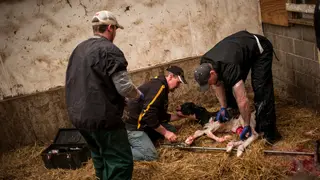
Fewer than 15% of veterinary graduates choose to work with farm animals, leaving many livestock operations without adequate medical care. This shortage raises concerns about animal welfare and the stability of the food supply chain. The gap between available vets and animal populations is widening.
The veterinary profession has shifted heavily toward companion animal care, with the vast majority of new graduates entering small-animal practices. This leaves rural and agricultural communities competing for a shrinking pool of professionals trained in livestock medicine. Large animal practices often require extensive travel and on-farm visits, which adds to the difficulty of recruiting and retaining veterinarians in these roles.
As the number of farm veterinarians declines, livestock producers face delayed diagnoses and limited preventive care. This strain on the agricultural system comes at a time when food production demands are rising, making the shortage a growing concern for the broader supply chain.
The shortage could affect rural communities most directly, where livestock owners may struggle to access timely medical care for their animals. If untreated illnesses spread through herds, production losses could mount, potentially influencing meat and dairy prices for consumers. Animal welfare standards may also come under pressure, and the growing mismatch between veterinary availability and herd sizes could reshape how farms operate. The impact may be gradual but far-reaching across the food system.