Warming Seas and El Niño Reshape Fish Habitats and Fisheries
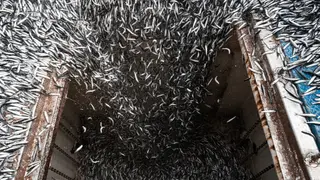
Marine heatwaves and El Niño events are altering where fish and shellfish live, pushing many species beyond their thermal limits. These changes increase disease risk and disrupt commercial fishing patterns. The findings highlight the vulnerability of ocean ecosystems to climate variability.
Marine heatwaves and El Niño events are fundamentally shifting the distribution of fish and shellfish populations across the world's oceans. As waters warm beyond what many species can tolerate, these animals are moving to new areas in search of suitable conditions, redrawing the map of where marine life can survive and thrive.
These habitat shifts carry serious consequences for ocean ecosystems and the industries that depend on them. Species pushed beyond their thermal limits become more vulnerable to disease, while commercial fishing operations face uncertainty as traditional grounds empty and new patterns emerge. The findings underscore how climate variability, not just long-term warming, can rapidly transform marine environments.
Coastal communities and commercial fishing industries could face significant economic disruption as fish populations relocate beyond traditional grounds. Seafood supply chains may become less predictable, potentially affecting prices and availability for consumers. Public health systems could see increased monitoring needs if disease spreads among stressed marine species. These shifts may also strain international fishing agreements as nations compete for newly accessible stocks, though the full scope of consequences remains uncertain.