Dissolvable Magnesium Battery Powers Ingestible Devices
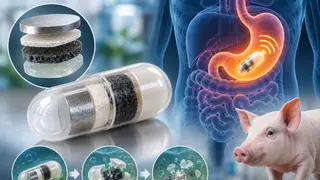
Researchers developed a bioresorbable magnesium–molybdenum trioxide paper battery that achieved a peak open-circuit voltage of 1.84 V. It powered capsule-scale RFID and gastric electrical-stimulation systems in swine, showing promise for temporary ingestible electronics, though further work is needed on full biodegradability and safety.
The new battery pairs magnesium with molybdenum trioxide in a paper-like format, generating a peak open-circuit voltage of 1.84 volts—sufficient for low-power medical electronics. In animal trials with swine, the cell successfully powered two distinct ingestible systems: a capsule-scale RFID tag for wireless identification and a gastric electrical-stimulation device. These tests demonstrate the battery's ability to deliver functional energy within the digestive tract.
The work addresses a core challenge in temporary ingestible electronics: power sources that vanish after use. Traditional batteries require retrieval or pass harmlessly, but their materials persist. A bioresorbable design could eliminate secondary procedures. However, the researchers note that complete biodegradability and long-term safety remain unproven, signaling that clinical translation is still distant.
This technology could reshape how clinicians approach short-term gastrointestinal monitoring or therapy. Patients may eventually swallow devices that power themselves, transmit data, and dissolve without extraction, reducing discomfort and procedural risk. Manufacturers could integrate such batteries into diagnostic capsules or targeted stimulation tools, potentially lowering healthcare costs. Yet safety validation in humans remains a hurdle, and regulatory approval would be required. The impact, if realized, may be gradual—first in specialized procedures, then broader adoption—but the promise of self-eliminating medical electronics is a meaningful step forward.