Heata's home servers turn cloud computing heat into free hot water for UK households
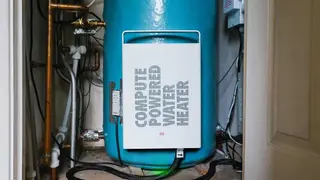
UK company Heata installs servers in homes that use the waste heat from computing to warm domestic water supplies. The system can cover about 80% of a household's heating needs, reducing gas bills. Heata pays for the extra electricity used, making it a cost-free arrangement for homeowners.
Heata's setup requires a vented hot water cylinder and a fast broadband connection, with the compute unit attached to the cylinder. The company covers the extra electricity cost, while the waste heat is intended to supply about 80% of a household's hot water needs. The article also notes that a single data center's waste heat could theoretically serve 30,000 homes, showing the potential scale of this approach.
Compatibility is a notable limitation—only vented cylinders work, not unvented pressurised ones. Other firms, like Wales-based Thermify, use a HeatHub with Raspberry Pi Compute Modules to replace a boiler entirely. This comes as UK regulations will prohibit new gas boilers from 2027, making such data-to-heat systems a possible alternative for future homes.
Homeowners with compatible cylinders could see significant savings on gas bills, while businesses may gain low-cost, distributed server space. However, the system's reliance on fast broadband and specific cylinder types may limit its reach. As the UK moves toward banning new gas boilers in 2027, such data-to-heat solutions could become more attractive, but their impact on society will depend on how easily they integrate with existing housing and energy infrastructure. The environmental benefit of reusing waste heat is clear, yet practical hurdles may slow adoption.