Ukraine's EU Path Seen as Vital for Continental Security
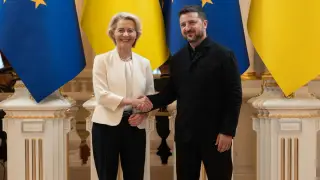
An opinion piece argues that despite concerns over corruption, agriculture, and enlargement costs, Ukraine's EU membership could be central to any future peace settlement. Political will, transition periods, and a firm accession date could anchor reforms and investment. The author suggests EU membership might serve as a sweetener for Ukraine to accept a peace deal with Russia.
The article details hurdles to Ukraine's accession: EU officials cite corruption and rule-of-law issues, while Hungary objects over minority rights, and Poland and France over the Common Agricultural Policy. Current net budget beneficiaries, especially in Central and Eastern Europe, fear financial losses in the next EU budget cycle.
Financial plans allocate €100 billion for Ukraine over the 2028-2034 cycle, assuming peace, but costs could hit €40-50 billion annually if war persists. Ukraine has floated 2027, but EU bureaucracy and member states suggest accession may wait until the late 2030s, though the piece stresses membership is ultimately a political decision.
The outcome of Ukraine's EU bid could reshape European security and economic stability. If membership is used as a peace sweetener, it may accelerate reforms in Ukraine but also strain EU budgets and agricultural markets, affecting farmers and net contributor states. Conversely, prolonged delay could undermine investor confidence in Ukraine and weaken the credibility of EU promises, potentially emboldening Russia. The decision may influence public trust in EU institutions across member states.