Lakers Face Fresh Start After Turbulent Offseason
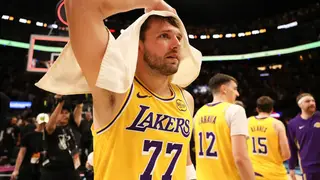
The Lakers enter the 2026-27 season with a reshaped roster following a franchise sale and internal power struggle. The team aims to re-establish itself in a competitive Western Conference. Their success hinges on how quickly the new pieces mesh.
The Lakers' upcoming campaign is defined by transition, as a change in ownership and internal friction have forced a roster overhaul. The team enters the season with a new-look lineup, aiming to climb back into contention in a deep Western Conference. The immediate challenge is chemistry—integrating unfamiliar players into a system that demands quick decision-making. While the franchise's storied history provides a high baseline of expectation, the practical reality is that early-season results will likely be uneven as the group learns to play together. The front office's moves signal a long-term vision, but the short-term focus remains on building a cohesive unit capable of competing nightly.
This story could affect Lakers fans, who may experience a season of adjustment and uncertainty, as well as the broader NBA landscape, where the team's performance influences playoff races and media narratives. The franchise sale and power struggle may reshape front-office decision-making for years, potentially impacting player acquisitions and coaching stability. If the new roster meshes quickly, the Lakers could re-emerge as a Western Conference threat; if not, the season may be a rebuilding year, affecting ticket sales, merchandise, and local business sentiment around the team.