Heart transplant studies cast doubt on organ-based rejuvenation theory
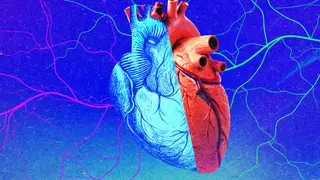
New research on heart transplants in mice and humans suggests that donor organs quickly adopt the biological age of the recipient, regardless of how young the donor was. This finding challenges the idea that transplanting young organs could reverse aging, a notion previously supported by experiments with young blood. The studies highlight the complexity of aging and rejuvenation processes.
The experiments involved implanting a second heart into mice's necks, allowing researchers to compare donor and recipient organs side by side. Using three distinct molecular aging clocks, the team found that transplanted hearts consistently matched the biological age of their new host within months, regardless of donor age. Hospital records reviewed by the researchers showed human heart recipients typically receive organs from donors roughly two decades younger.
These results complicate earlier findings where old hearts triggered senescent cell accumulation in young mice, suggesting aging signals may flow in both directions. The study also indicates that a transplanted organ's environment—not its origin—primarily determines its biological trajectory, raising questions about how much influence donor age truly exerts on recipient health outcomes.
This research could reshape how clinicians and patients think about organ transplantation, potentially easing concerns about accepting organs from older donors while also tempering expectations that younger organs confer longevity benefits. For the broader anti-aging field, it may redirect scientific focus toward systemic factors rather than organ replacement as a rejuvenation strategy. Policymakers and healthcare systems could see implications for organ allocation priorities, though these remain speculative until further replication studies confirm the findings.