The Anime Adaptations That Failed Their Manga Counterparts
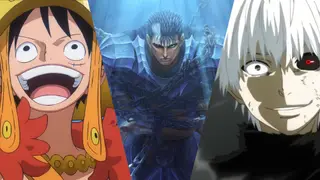
The article examines several anime adaptations that have been criticized for failing to honor their manga source material. It highlights cases where production choices, such as the use of 3D animation in Berserk, led to a loss of the original's identity. The piece ranks these adaptations based on how significantly they deviated from or diminished the source material.
The article's ranking system evaluates adaptations based on how severely they betray their source material's identity. Berserk's case is particularly notable because its 1997 anime is held up as a benchmark, making the subsequent 3D-animated seasons seem like a sharper decline by comparison. The One Punch Man situation illustrates how studio changes between seasons can fracture a series' visual consistency, with fan backlash specifically targeting the production team rather than the story itself.
The One Piece entry shifts focus from animation quality to character portrayal, suggesting that even a technically strong adaptation can fail its source material through characterization choices. Sanji's running gag is cited as a recurring problem, implying that long-running adaptations may drift from the manga's intended tone over time. The article's truncated list suggests additional examples exist beyond these three, reinforcing that adaptation failures take multiple forms.
This story may resonate strongly with anime fans who invest heavily in faithful adaptations, potentially influencing how they approach new series announcements. When beloved manga receive subpar anime treatments, fan communities could become more vocal about production choices, possibly affecting studio reputations and viewership decisions. Streaming platforms may also feel pressure to fund remakes or support studios with proven track records, shaping future licensing and production priorities in the anime industry.