Defense Pact Allies Plan Emergency Meeting Amid Houthi Escalation
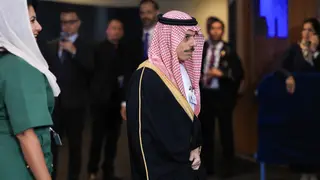
Saudi Arabia, Turkey and Pakistan are set to hold urgent talks under a joint defense pact after a surge in Houthi attacks, with Saudi Arabia's top cleric calling on troops to be ready to sacrifice. The Houthis launched dozens of missiles and drones at Saudi targets, and Saudi forces intercepted several ballistic missiles. Iran sought to distance itself from the Houthi advance, saying the group acts independently.
The Mecca Joint Defense Agreement, signed August 7 by leaders of Saudi Arabia, Turkey, and Pakistan, carries a mutual-defense clause frequently compared to NATO's Article 5, though analysts caution against overstating its scope. The pact faced its first test on September 8 when Houthi forces struck Saudi military and energy infrastructure. The current escalation follows a broader regional conflict triggered by U.S. and Israeli strikes on Iran in February, with oil exports from the world's largest energy producer now threatened.
Saudi authorities intercepted six ballistic missiles targeting Taif and the Yanbu oil port, while emergency alerts extended to Mecca and Jeddah. The Grand Mufti's statement, steeped in Quranic references, urged soldiers toward constant readiness and obedience to commanders. Iran has publicly claimed the Houthis operate independently, a stance that distances Tehran from the group's recent military advances.
This escalation could reshape regional security dynamics, as the defense pact's activation may draw Turkish and Pakistani military involvement into a conflict that already threatens global oil supplies. Civilian populations in Saudi cities face heightened danger from missile and drone attacks, while the religious framing of the conflict may deepen sectarian tensions across the Middle East. The outcome of the chiefs of staff meeting could signal whether the pact functions as genuine collective defense or remains largely symbolic, influencing how other regional powers calculate their own security arrangements.