Iran Links Hormuz Reopening to Lifting of US Blockade as Peace Terms Diverge
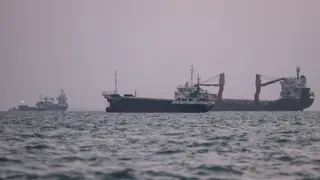
Iran said no agreement to end the war will be signed until the US lifts its naval blockade, and the Strait of Hormuz will remain closed until Tehran's conditions are met. Iranian officials have floated different timelines, including a 7-day offer and a 3-to-5-day demand, leaving Washington uncertain which proposal is authoritative. President Pezeshkian told the UN that Iran is ready for dialogue but will not bow to force.
Iran's negotiating position remains fragmented, with Foreign Ministry spokesman Esmaeil Baqaei insisting on a full blockade lift before any agreement, while Security Council Secretary Mohsen Rezaei demanded all conditions be met within three to five days. This contrasts with an earlier reported seven-day offer, leaving mediators without a clear baseline. The UN General Assembly became a stage for mutual protest, as each delegation walked out during the other's address.
The maritime dimension intensified Wednesday when a projectile struck the Cape Dao bulk carrier off Oman's coast, killing one crew member. Pezeshkian's speech also highlighted Iran's nuclear stance, pointing to Israel's non-NPT status while asserting Tehran's program is peaceful, though the war has already caused civilian casualties on both sides.
The conflicting Iranian timelines could prolong uncertainty for global shipping and energy markets, as the Strait of Hormuz remains a critical chokepoint. Seafarers and regional civilians may face continued risk if diplomatic signals remain muddled. The walkouts at the UN may harden public perceptions on both sides, potentially narrowing room for compromise. A prolonged closure could affect fuel prices worldwide, while the unresolved nuclear inspection question may keep international nonproliferation frameworks under strain.