Nine AI Innovations Reshaping the Restaurant Industry
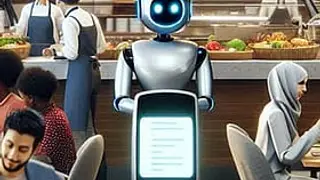
Restaurants are adopting AI for tasks such as smart ordering, personalized menus, kitchen coordination, inventory tracking, dynamic pricing, chatbots, waste forecasting, robotic assistance, and predictive maintenance. These systems help streamline operations and reduce costs. The article details nine ways AI is changing the dining experience.
These nine applications represent a shift toward data-driven restaurant operations, where routine decisions—from portion sizing to equipment upkeep—are increasingly automated. The systems collectively target two persistent industry challenges: labor costs and food waste, both of which significantly impact profit margins in food service.
On the customer side, the technology personalizes the dining journey while reducing friction points like long waits or incorrect orders. For operators, the tools offer real-time visibility into kitchen performance and supply levels, enabling faster responses to demand fluctuations. The adoption spans both front-of-house and back-of-house functions, indicating a comprehensive approach to modernization.
Widespread AI adoption in restaurants could reshape employment patterns, potentially reducing demand for entry-level staff while creating new technical oversight roles. Customers may benefit from faster service and tailored options, but could also face reduced human interaction. Small operators may struggle with implementation costs, potentially widening the gap between large chains and independent establishments.