Microsoft commits over $10 billion to Middle East cloud and AI expansion
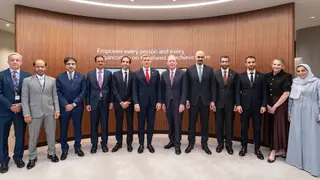
Microsoft plans to invest more than $10 billion in cloud and AI infrastructure across the Middle East by 2030, starting with Kuwait, Qatar, Saudi Arabia, and the UAE. The initiative includes partnerships with national AI organisations and a $400 million-plus investment in subsea and terrestrial connectivity. Microsoft also emphasised responsible growth, including water-positive cooling technologies.
Microsoft's regional footprint dates back to 1991, giving the company deep familiarity with Middle Eastern markets as governments accelerate their AI adoption strategies. The investment targets four nations specifically, with partnerships tied to national AI bodies including HUMAIN, G42, QAI, and Kuwait's government, suggesting coordination with sovereign technology agendas.
The company's sustainability commitments are notable given regional water scarcity. Microsoft plans to prioritize zero-water cooling systems where feasible and collaborate with utilities and regulators on carbon-free electricity procurement. Workforce development forms another pillar, with training programs aimed at public-sector leaders, students, and women, building toward a 4.2 million-person skills target by 2030.
This investment could reshape the Middle East's digital economy, potentially accelerating AI adoption in public services across Kuwait, Qatar, Saudi Arabia, and the UAE. Governments may gain enhanced cloud capacity for national projects, while local workers could see new training opportunities and tech-sector employment. However, the scale of infrastructure buildout may strain regional water and energy resources, and smaller businesses could face competitive pressure from AI capabilities concentrated in state-aligned partnerships. The outcome likely depends on how transparently these deployments are governed.