Study finds most firms in Russian drone supply chain evade Western sanctions
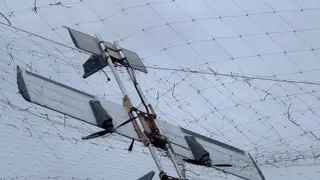
A Ukrainian think tank's research reveals that most companies supplying components for Russia's Molniya drones are not sanctioned, and the manufacturer Atlant Aero is not under US or UK sanctions. The drone is a low-cost strike UAV widely used by Russia. The report also identifies Chinese firms providing critical parts without sanctions.
The Molniya drone, priced around $1,600 per unit, carries a 10-kilogram warhead and reaches up to 50 kilometers. Atlant Aero's Taganrog facility has visibly expanded, with satellite imagery showing new construction adjacent to existing buildings since 2025, reflecting the drone's rapid adoption as a frontline strike weapon.
The Centre for Defense Strategies research highlights significant gaps in Western sanctions coverage. While the EU and Canada have sanctioned Atlant Aero, the US and UK have not. Prominvest JSC, the controlling shareholder, remains unsanctioned globally, as do beneficial owner Viktor Grigoryev and four co-owners. Eleven Chinese firms, including Shenzhen Xingkai Technology supplying mesh network equipment for deep-strike operations, also avoid sanctions despite openly advertising military applications.
This research could pressure Western governments to broaden sanctions targeting Russia's drone supply chain, potentially affecting companies in China and Russia that currently operate freely. If enforcement mechanisms strengthen, production costs for Moscow's drone program may rise, possibly slowing deployment rates. Ukrainian civilians facing frequent Molniya attacks could see indirect benefits, while unsanctioned firms may face reputational and regulatory risks. The findings may also shape public debate on whether existing sanctions regimes adequately address evasion.