A new book argues climate messaging must shift to reach skeptical audiences
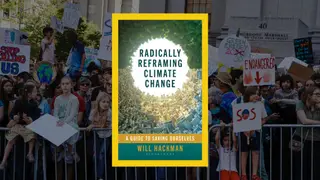
Author Will Hackman, drawing on his work in politics and conservation, contends that two decades of conventional climate advocacy have failed to sway many Americans. His book proposes a radical reframing of climate communication to connect with people who are not already concerned. The approach stems from his experiences witnessing environmental and social upheaval firsthand.
Hackman's career spans commercial fishing in Alaskan waters, disaster relief work in Mississippi following Hurricane Katrina, and political campaign management in the Midwest. He has spent over thirteen years within the environmental conservation community, and his 2022 TEDx talk previewed the personal approach to climate communication that his book now develops. He currently writes a Substack column on the subject from his home in Virginia's Shenandoah Valley.
The book's argument rests on the observation that global energy demand is projected to quadruple, even as wind and solar have become the cheapest and fastest means of generating new electricity. Hackman notes that trillions of dollars in existing fossil fuel infrastructure create powerful incentives for the industry to steer public discourse away from clean energy alternatives.
This book could influence how environmental organizations, political campaigns, and advocacy groups craft their public messaging in coming years. If Hackman's reframing strategies gain traction, they may help bridge the gap between climate scientists and audiences who have tuned out conventional warnings. The approach could also reshape how policymakers discuss energy transitions with constituents who prioritize economic concerns, potentially easing polarization on an issue that has become deeply entrenched in American political identity.