Rethinking 'Working Class' and the Case for Blue States
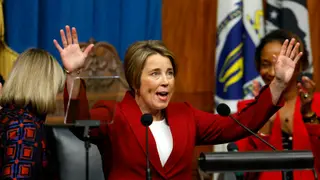
The transcript features a discussion with Monica Potts about the misuse of the term 'working class' in political discourse, arguing it often refers to anyone without a bachelor's degree, which is misleading. Potts also argues that blue states offer better living conditions than red states, contrary to some 'abundance' liberals' praise of red states for affordability. The conversation touches on Democratic chances in upcoming elections.
Potts contends that using educational attainment as a proxy for class oversimplifies a diverse population. Roughly 60 percent of American adults lack a bachelor's degree, yet this group spans wildly different economic realities—from rural workers in Arkansas to urban professionals in New York City. The shorthand became common during the Obama era because education data is readily available in polling, even though it poorly captures actual occupational or income-based class distinctions.
The discussion also extends to geographic comparisons, with Potts arguing that blue states provide superior living conditions despite criticism from "abundance" liberals who praise red states for affordability. This framing ties into broader debates about Democratic electoral strategy and whether the party's messaging adequately addresses the concerns of non-college-educated voters.
This discussion could reshape how political commentators and strategists frame class-based appeals ahead of elections. If "working class" continues to be conflated with educational attainment, policy debates may miss the diverse needs of the majority of Americans without degrees. The blue-versus-red state comparison may also influence public perception of where quality of life is genuinely better, potentially affecting migration patterns and political realignment.