Factory test uses high-pulse lasers to validate fusion reactor magnet wire
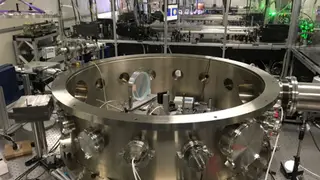
A factory trial in Japan is testing superconducting wire intended for nuclear fusion reactor magnets using high-pulse lasers. This test aims to address a major bottleneck in fusion reactor production. The outcome could accelerate the development of practical fusion energy.
The trial represents a novel convergence of laser technology and superconducting materials testing. By subjecting wire samples to intense, rapid laser pulses, engineers can simulate the extreme mechanical and thermal stresses that fusion reactor magnets will endure during operation. This approach offers a faster, more cost-effective alternative to full-scale prototype testing.
Superconducting magnets are essential for confining plasma in fusion reactors, yet their production has proven difficult to scale. The Japanese factory test directly targets this manufacturing bottleneck. If successful, the validation method could streamline quality assurance processes, helping suppliers produce reliable magnet wire at industrial volumes and shortening timelines for commercial fusion power plants.
If this validation method proves effective, it could accelerate the path to practical fusion energy, which may eventually provide a nearly limitless, low-carbon power source. Utilities, industrial energy consumers, and households could benefit from more stable electricity prices and reduced reliance on fossil fuels. However, widespread deployment remains years away, and near-term impacts are likely limited to the fusion supply chain and research community. The outcome may also influence global investment in fusion technology.