European governments scramble to offset record fuel prices
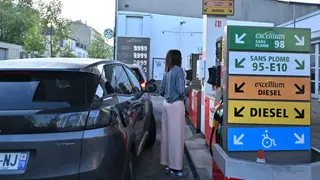
Record gasoline and diesel prices in Europe are prompting governments to implement subsidies and tax cuts. Consumers are spending an extra $231 million daily on diesel alone, according to advocacy groups. The energy crisis stems from wars in the Middle East and Ukraine, which have disrupted supplies.
The OECD report shows seven of ten most interventionist economies are EU members. Responses vary: Lithuania halved train fares, Greece taxed gambling for relief, Italy delayed coal plant closures, and Poland proposed a windfall tax on fuel producers. This urgency reflects heavy import reliance—nearly all oil and 85% of natural gas.
France's new 450-million-euro package gives 100-euro payments to 5.5 million commuters and extends subsidies for farmers and fishermen. It also accelerates energy vouchers for 5.8 million families. President Macron has urged the EU to relax fuel quality rules on density and sulfur to boost domestic diesel output, a step used during COVID.
The sustained fuel price shock could deepen social discontent across Europe, as households and small businesses bear the brunt of higher transport and heating costs. Governments' ad-hoc subsidies may provide temporary relief but could strain public finances and distort markets. The crisis may accelerate the bloc's shift toward renewable energy, though near-term reliance on fossil fuels remains a vulnerability. Political stability could be tested if relief measures prove insufficient.