Tesla’s Optimus Production Faces Manufacturing Hurdles
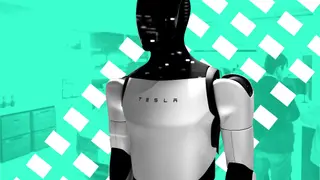
Tesla is reportedly struggling to scale Optimus robot production, making only a few hundred units weekly last month. The company repurposed Model S and Model X lines for the robot, but small parts and precise assembly have created bottlenecks. Current Optimus versions still require manual assembly for hands and forearms, and Tesla plans to lease them initially.
Tesla reportedly moved its Model S and Model X manufacturing capacity toward Optimus earlier this year, yet output remained only several hundred units per week last month. The shift introduced difficulties because robot components are smaller than automotive parts and demand tighter alignment during assembly.
The current V3 version is lighter and carries more cameras than earlier designs, but its hands and forearms still need manual work involving over 100 screws and small pieces. A sensing glove under development may allow touch sensors to be replaced without changing the whole hand. Tesla has discussed leasing early units and using collected training data.
If Tesla eventually leases Optimus units, businesses in manufacturing, logistics, and services could gain new automation options, while technicians may need skills for precision robot maintenance. Consumers might first encounter such robots in limited commercial settings rather than homes. Continued production delays could temper investor and public expectations, potentially slowing momentum for other humanoid robotics developers and suppliers. How safely and reliably these machines perform may influence broader trust in workplace robots.