14 Villages Around the World Known for Traditional Thatched Roofs
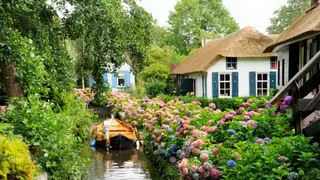
A roundup highlights 14 villages that preserve traditional thatched-roof building methods. The roofs are made from dried vegetation such as straw, palm branches, rushes, or reeds and offer weather resistance and insulation. Locations range from Germany and England to Japan and Chile.
Thatched roofs are made from dried plant materials, including straw, reeds, rushes, and palm branches. They can resist weather and pests, insulate interiors, and endure for decades, though some places prohibit them. Villages in Germany, England, Ireland, Japan, and Chile keep the craft alive with skilled thatchers.
Nieblum, on Föhr, has captain’s cottages and a church with carved sailor tombstones. Milton Abbas was planned in the 1700s with cob cottages by William Chambers and Capability Brown. Adare, a 13th-century Heritage Town, will host the 2027 Ryder Cup. Broad Campden features Cotswold stone, a Quaker meeting house, and a Norman chapel renovated by Charles Robert Ashbee.
This roundup could draw more travelers to small heritage villages, affecting residents, local businesses, and preservation groups. Greater interest may support thatchers and traditional building skills, yet it could also add pressure on housing, roads, and daily life. Readers may come away with a broader appreciation for low-impact roofing traditions, while communities may need to balance visitor income with protecting the character that makes these places notable.