Wildfire Resilience Emerges as Key Hotel Investment Concern
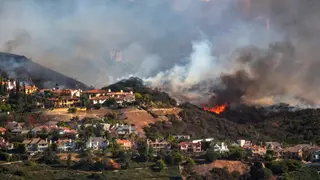
A hotel industry article argues that wildfire resilience should be a key investment consideration for properties in fire-prone areas. It notes that hotels can be forced to close even without burning due to smoke, power cuts, evacuations, or water pressure loss. The piece highlights landscaping and building hardening measures as relatively low-cost ways to reduce damage risk.
During the January 2025 Los Angeles fires, hotels in Pasadena, Glendale and Burbank ran 83 percent occupancy, against 63.7 percent a year earlier, per STR — filling rooms for displaced families, adjusters and crews. By contrast, the Hilton Sonoma Wine Country, lost in the 2017 Tubbs Fire, left its site largely idle for six years.
An IBHS review of more than 250 Eaton and Palisades properties found that where over a quarter of the ground within five feet of a structure held fuel, damage or destruction occurred nearly 90 percent of the time. A Class A roof, noncombustible cladding, dual-pane glazing and enclosed eaves together avoided damage 54 percent of the time; a single feature, 36 percent.
Hotel owners, insurers and the communities that rely on lodging during disasters could feel the effects. Properties that harden landscaping and building envelopes may stay open when smoke, outages or evacuations shutter others, potentially preserving local tax revenue and shelter capacity. Yet added costs and insurance pricing may shape which markets and operators can afford resilience, leaving smaller or older properties more exposed. Guests and workers in fire-prone regions may notice the difference most directly.