EU Greenwashing Directive Tightens Rules on Fashion Sustainability Claims
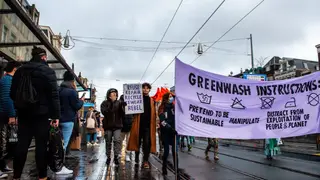
The EU’s Empowering Consumers for the Green Transition Directive takes effect, restricting vague environmental claims such as eco-friendly and sustainable unless they are backed by evidence. It also targets climate claims based on carbon offsets and sustainability logos that amount to self-certification. The measure updates unfair commercial practices rules but does not include the full third-party verification and pre-approval process sought under the Green Claims Directive.
Approved in 2024, the measure updates EU unfair commercial practices rules by blacklisting particular misleading sales tactics. It does not include the broader Green Claims Directive’s planned independent verification, advance approval, or common lifecycle measurement method. The European Commission withdrew that earlier proposal in 2025, citing a simplification drive.
Even though EmpCo addresses consumer-facing practices, business-to-business information can still reach shoppers via the Digital Product Passport. An EU test found incorrect fabric-content labels on 37 percent of clothing sold in Europe. The rules use an “average consumer” test, so brand names and visuals suggesting greenness may count as claims.
The directive could make fashion marketing more cautious, as brands may avoid vague green language without proof. Consumers may gain clearer information, though enforcement and interpretation may shape its real effect. Watchdog groups could face fewer routine misleading claims, while smaller suppliers may need to adjust labels and data flows. Because it lacks advance approval and independent verification, some greenwashing risks may persist.