Democrats seek answers on RFK Jr.'s vaccine lawsuit ethics arrangement
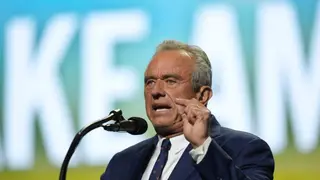
Senate Democrats are asking whether HHS Secretary Robert F. Kennedy Jr. changed his ethics agreement after inconsistencies appeared in his financial disclosures tied to a lawsuit against Merck over the HPV vaccine Gardasil. Kennedy had said he would assign his interests in the case to his son, but HHS later said they went to the law firm Wisner Baum, which said neither Kennedy nor his son would receive settlement proceeds. HHS says Kennedy complied with his ethics agreement and divested his entire financial interest before becoming secretary.
Four Senate Democrats—Elizabeth Warren, Ron Wyden, Richard Blumenthal and Angela Alsobrooks—raised the disclosure discrepancy. Kennedy had been involved in Wisner Baum’s Gardasil lawsuit against Merck, which alleged the HPV vaccine caused neurological and autoimmune injuries. Merck later agreed to a $50 million settlement without admitting fault and maintained the vaccine’s safety and effectiveness.
Kennedy first said he would assign his case interests to his son; HHS said in May they went to Wisner Baum. The firm said neither Kennedy nor his son would receive settlement proceeds. HHS states he complied with his ethics agreement, divested his entire financial interest before taking office, and ethics officials confirmed compliance to congressional committees.
The questions could keep scrutiny on vaccine policy and federal ethics enforcement, potentially affecting public confidence in health agencies and vaccine recommendations. Patients and families relying on HPV vaccination may encounter changing messaging or access if political disputes influence programs. Merck, law firms, and officials involved could face reputational or legal attention. Senators’ inquiry may shape oversight hearings and disclosure expectations for future nominees, though concrete policy effects remain uncertain.