Anthropic's Claude found a CRISPR-like system, but it's no CRISPR revolution
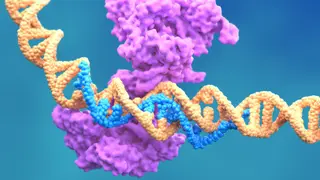
Anthropic reported that its Claude model identified a novel enzyme system with CRISPR-like repeats after scanning a DNA database for reverse transcriptases. The finding involves repeated sequences next to reverse transcriptase genes in bacteria-infecting viruses. A commentator argues the discovery is not comparable to CRISPR and would at best be another gene-editing tool.
Anthropic said its Claude model scanned a large DNA database for reverse transcriptases, enzymes that copy RNA back into DNA. It flagged roughly 200,000 likely reverse-transcriptase-coding sequences. In one viral family that infects bacteria, an agent noticed repeated DNA elements beside the reverse transcriptase gene.
CRISPR’s acronym refers to short repeated DNA stretches separated by unique sequences. Such repeats were first seen in E. coli in 1987; later work linked non-repeating stretches to viral DNA and suggested a microbial immune role. The 2012 demonstration that RNA could guide CRISPR-Cas9 to cut chosen sequences launched gene editing, earning a 2020 Nobel.
If this system proves useful, it may initially affect researchers and biotechnology firms seeking more precise ways to insert DNA. Patients and farmers could eventually benefit if it enables new therapies or crop improvements, but only after years of validation. Because the finding resembles early CRISPR observations rather than a proven editing method, its near-term societal impact may be limited, and AI's broader role in biology may be judged more by tools like protein-structure prediction.