Pakistan’s long counterinsurgency struggle remains unresolved
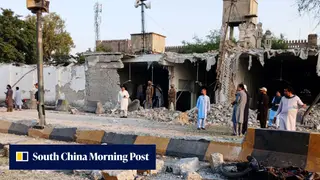
Pakistan has fought Taliban and Baloch insurgents in areas near Afghanistan and Iran for more than 20 years, yet violence continues without resolution. In Khyber Pakhtunkhwa and Balochistan, militants regularly kill soldiers, police and civilians using roadside bombs, drones, ambushes, suicide attacks, raids, assassinations and kidnappings. Although the military reports frequent tactical successes and large militant death tolls, the two insurgencies persist and appear to be converging.
For more than twenty years, Pakistan’s armed forces have conducted repeated counterterrorism operations in western areas adjoining Afghanistan and Iran. The violence is concentrated in Khyber Pakhtunkhwa in the northwest and Balochistan in the southwest, where Taliban and Baloch militant groups operate.
Attacks occur almost daily. Militants strike patrols, checkpoints, police stations and government offices using improvised bombs, weaponized drones, ambushes, suicide bombings, raids, targeted killings and abductions. Although the military frequently announces large militant casualties, both insurgencies continue and seem to be moving closer together.
The continuing violence could deepen insecurity for residents of Khyber Pakhtunkhwa and Balochistan, especially soldiers, police, officials and civilians. Families may face loss, displacement, disrupted services and restricted movement. Repeated attacks on state institutions could erode public confidence, while military claims of success may not reassure communities experiencing daily threats. If the two insurgencies converge, pressure on security forces and local populations may grow, making peace efforts harder.