Noctua studies micro-channel air cooling for 2,000W desktop heat loads
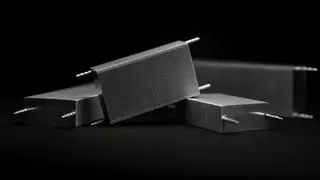
Noctua is working with Forced Physics DCT to evaluate JouleForce micro-channel cooling for desktop PCs and workstations. The approach claims to remove more than 2,000W of heat using air by preventing boundary layers inside densely packed channels. Current prototypes require industrial blowers or vacuum pumps because of high pressure drop, and the partnership has no specific product or launch date.
Noctua and Forced Physics DCT have formed a long-term partnership to assess JouleForce, a micro-channel array cooling method, for desktops and workstations. The companies describe it as an air-based alternative that may handle over 2,000W of heat by using tightly spaced channels and avoiding the boundary layer that limits ordinary heatsinks.
In current implementations, the array creates far more pressure resistance than standard PC fans can overcome, so it needs industrial blowers, fast centrifugal fans, or vacuum pumps. Noctua's fan design experience will be used to seek lower pressure requirements or higher static pressure without excessive noise. No product or launch timing has been announced.
If successful, such cooling may allow desktop workstations and high-power PCs to shed more heat while relying on air rather than liquid loops, potentially affecting enthusiasts, workstation users, and system builders. Quieter operation could matter in homes and offices. However, because prototypes need industrial-scale airflow hardware and no product timeline exists, near-term impact is likely limited. The main societal effect may be incremental: continued pursuit of higher compute power with less noise and complexity, if engineering hurdles are solved.