Study Identifies Five Shifts in IC Functional Verification
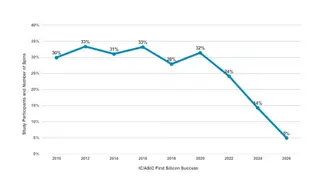
A forthcoming study from Siemens EDA and Wilson Research Group highlights five shifts in IC functional verification. The findings include lower initial silicon success rates, more CPU, GPU, and AI accelerator projects, broad embedded processor use, a wider verification ecosystem, and more visible firmware, safety, and security-related respins. The report frames verification as increasingly focused on building confidence in systems where software and silicon interact closely.
The 2026 Siemens EDA and Wilson Research Group study identifies five changes in IC functional verification. It points to a recent drop in first-pass silicon success after a long stable period, plus more CPU, GPU, and AI accelerator-class projects and widespread embedded processor use across implementation categories.
The report also notes an expanding verification ecosystem and more visible respins linked to firmware, safety, and security. Its overall message is that verification is shifting toward establishing confidence in systems where software and hardware interact closely, rather than only confirming a design before fabrication.
These findings may affect chip designers, EDA tool providers, embedded software teams, and eventually consumers of electronics. If verification increasingly covers firmware, safety, and security, products could take longer or cost more to develop, but may reach market with fewer costly respins and stronger safeguards. Sectors relying on AI accelerators, automotive, industrial, and medical systems could feel this most, as software-silicon interactions become central to reliability and trust.