NASA Bulletin Addresses Defects in Aluminum Alloy 2219
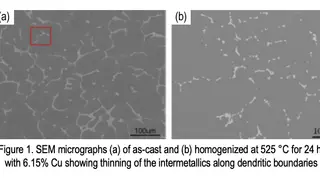
A NASA technical bulletin warns that improper casting and forging of aluminum alloy 2219 can create microstructural flaws, harming anodic treatment response and corrosion resistance. It recommends homogenization followed by multidirectional deformation after direct chill casting, especially for large castings. The alloy is used in aerospace structures including launch vehicles and space station modules.
Aluminum 2219 is an age-hardenable aluminum-copper alloy created by Alcoa in 1954 for temperatures reaching 600 °F. Its aerospace uses include space shuttle fuel tanks and human-rated International Space Station modules, where cryogenic performance, weldability, and strength matter.
NASA’s bulletin says large direct-chill castings can develop uneven grains, element segregation, and clustered copper-rich intermetallics. It recommends homogenization—research cited 535 °C for 10 hours—followed by multidirectional deformation, particularly for large castings, to improve anodizing outcomes and corrosion resistance.
The guidance could influence how aerospace suppliers and engineers specify casting, homogenization, and forging for large aluminum components. Better process control may reduce corrosion and property variability in launch vehicles and space station modules, potentially improving reliability and safety. It could also raise manufacturing costs or timelines if additional thermal processing and verification are required, affecting contractors and programs that rely on 2219. Researchers and quality inspectors may use the bulletin to refine standards.