Athens emerges as a destination for a reinvigorated Greek food scene
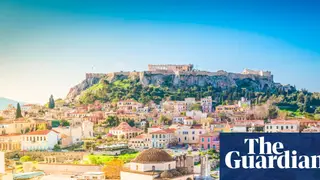
Athens has developed a more confident culinary identity, with chefs reinterpreting Greek ingredients and diners exploring neighborhoods beyond the main tourist areas. The article traces how historical factors, economic changes, and a growing immigrant food culture have reshaped the city's restaurants. It highlights outdoor eating, traditional tavernas, and new-wave dining as part of the capital's gastronomic revival.
Athens’ culinary reputation once lagged because Greece lacked the aristocratic patronage and Renaissance that shaped cuisines elsewhere in the Mediterranean. Village cooking sometimes failed to impress summer tourists, who rushed to islands after seeing the Acropolis.
In the 1980s, diets shifted toward fast food and meat; the 1990s brought brunch, sushi and lobster pasta as status symbols. After the 2009 crisis, unemployment and migration prompted Athenians to revisit family land, seasonal shopping and local sourcing, while Covid reinforced these changes.
Athens’ gastronomic revival may strengthen local identity and draw visitors beyond tourist zones, benefiting neighborhood businesses, market vendors and immigrant-influenced restaurants. It could also raise rents or displace longtime residents if popularity grows, while giving chefs and food writers new platforms. Diners may gain broader access to regional Greek ingredients and diverse cuisines, though economic pressures and seasonal tourism could limit who shares in these gains.