What Makes Lithium Effective for Bipolar Disorder?
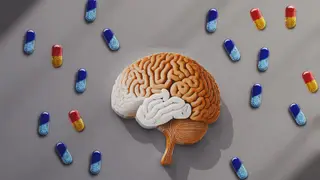
Lithium has been prescribed for bipolar disorder since 1949 and is still considered the leading mood stabilizer for this complex psychiatric illness. Bipolar disorder involves episodes of mania, hypomania, and depression, with mania alone sufficient for diagnosis. Researchers continue to examine why lithium works, and one expert suggests its straightforward action may help it address the disorder's complexity.
Lithium has been used for bipolar disorder since 1949 and remains the standard mood stabilizer despite decades of drug development. The condition affects roughly 36 million people globally and involves lasting shifts in mood and energy, including manic, hypomanic, and depressive episodes that may occur separately or in sequence.
Diagnosis can rest on mania alone. Mania is marked by elevated mood, intense energy, drive, and risky, hedonistic behavior, making it highly disruptive. Treatment must balance both mood poles; antidepressants without antimanic coverage may trigger mania or destabilize illness. Lithium helps depression and mania, but its main strength is relapse prevention. It is given as carbonate tablets or citrate liquid.
For people with bipolar disorder and families, lithium's continued role may shape treatment expectations and access. Because it can prevent relapse, its use could reduce hospitalizations, stabilize work and relationships, and lessen caregiver burden. Ongoing research into why it works may inform more targeted options, potentially improving outcomes for the roughly 36 million affected worldwide. However, reliance on an older drug may also highlight gaps in developing alternatives.