Scaling robotaxis hinges on fast local servicing, not just driving tech
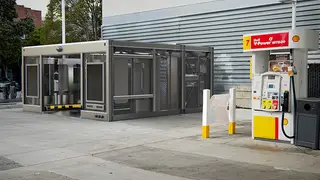
The article argues that while autonomous driving has been demonstrated, expanding robotaxi services from a handful of cities to thousands depends on solving vehicle maintenance between trips. It says centralized depots create long empty drives and roughly two-hour resets, and that land, power timelines, and local conditions make such depots hard to replicate. The piece calls for distributed cleaning, charging, and inspection infrastructure to support large-scale operations.
Waymo reports over 220 million driverless miles and says its vehicles have far fewer severe-injury crashes than human drivers. It provides about 500,000 paid trips weekly and operates in 14 cities, while Uber covers more than 15,000 cities and handled 3.9 billion trips in a recent quarter.
Robotaxi resets can require an empty trip of as much as 15 miles and about two hours. California data cited shows only 54% of 86 million Waymo miles through 2025 carried passengers. Power timelines can stretch from six months to nearly nine years for new substations.
If robotaxis spread, riders could gain more convenient transport, while city residents may see changes in traffic, curb use, and energy demand. Property owners and utilities could face pressure over powered industrial sites. Maintenance workers and local service firms might find new roles, but operators that cannot build distributed servicing may struggle to expand. Overall impact depends on how cities manage land, power, and labor.