How to spot Saturn's rings with a small telescope
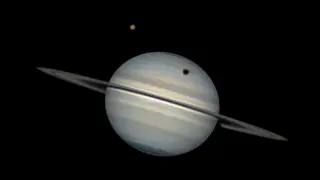
Saturn is offering some of its best 2026 views as it approaches opposition on October 4. Even a small telescope can reveal the rings, with a 3-inch scope at 50x showing them as a structure separated from the planet. To the unaided eye, Saturn looks like a steady golden point of light.
Saturn reaches opposition on October 4, 2026, giving observers its strongest views of the year. To the naked eye it resembles a steady golden point; binoculars can make its hue more noticeable. Through a telescope, the rings become apparent even at low magnification. A small instrument at 25x may reveal them, while a 3-inch scope at 50x can show a ring structure detached from the planet’s globe.
For beginners, local astronomy clubs and star parties offer chances to look through equipment and learn from experienced observers. NASA’s Night Sky Network lists U.S. clubs, and other directories cover groups worldwide. Universities, science museums, or a friend’s stored telescope may also provide access.
This story may encourage casual skywatchers, families, and beginners to seek local star parties or borrow telescopes, potentially boosting public engagement with astronomy. Access to views through clubs, museums, or universities could make the experience more inclusive for those without equipment. The event may also support informal science learning and community gatherings, though weather and local light conditions could limit actual participation.