US Department of Energy Funds 21 Next-Generation Geothermal Projects
The US Department of Energy announced $99 million for 21 next-generation geothermal projects. Sixteen will explore and assess resources, while five will test technologies in real-world conditions. Geothermal currently supplies about 1% of US utility-scale power, but federal support aims to scale it up.
The funding package splits into two tracks: sixteen awards would map and evaluate geothermal resources suited to advanced extraction methods, while five would field-test those methods under actual operating conditions. The Energy Department says results will be shared publicly through its geothermal data repository, so lessons from individual sites can inform broader industry exploration and development.
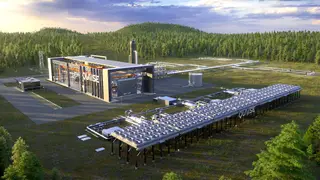
One selected effort, Quaise Energy’s Project Obsidian in central Oregon, could receive up to $25 million. The company aims to build a commercial plant that draws power from superhot rock. Awards still require negotiation, and geothermal provides about one percent of the nation’s large-scale electricity today.
If advanced geothermal scales, communities near projects may see construction jobs and new local revenue, while ratepayers could benefit from firm low-carbon power that complements solar and wind. Data centers and industrial users seeking steady electricity may gain another option, potentially reducing reliance on gas. However, outcomes depend on costs, permitting, drilling success, and grid connection; benefits may arrive slowly and unevenly.