PFAS from Sludge Fertilizer Contaminates Rural Pennsylvania Wells
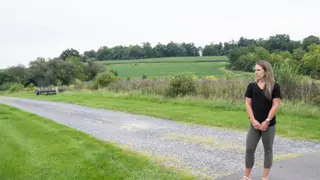
PFAS chemicals from sewage sludge spread on farm fields have contaminated private wells in rural Pennsylvania, including Nicole Williams’ home in North Centre Township. The state Department of Environmental Protection has spent two years investigating a groundwater plume linked to the farm and about a dozen other sites in Columbia County. Residents have installed filtration systems as officials describe the situation as the tip of the iceberg.
In 2011, Nicole Williams settled into a North Centre Township home built on former farm property. That farm had applied sewage sludge from the local water treatment plant to its fields as fertilizer since the 1980s, adding PFAS that do not naturally break down.
Pennsylvania environmental regulators have spent two years tracing a groundwater plume from the farm and roughly a dozen other Columbia County sites. In 2024, Williams’ well showed 182.4 total ppt; PFOA was eight times and PFOS 32 times EPA’s 4 ppt limits.
The contamination could affect rural Pennsylvania households relying on private wells, especially families concerned about long-term health risks from PFAS. Residents may face filtration costs, testing burdens, and uncertainty about property values. Farmers and local officials could confront broader questions about sludge use, while state investigations may expand to other communities. The case may also heighten pressure for monitoring and clearer guidance, though impacts will depend on exposure levels and regulatory responses.