How Cloud-Based Disaster Recovery Can Lower Standby Expenses
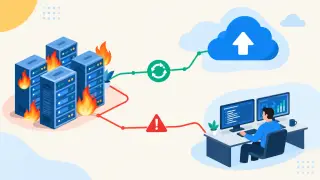
The article explains that traditional disaster recovery often wastes money on idle backup data centers. It outlines metrics such as recovery point objective and recovery time objective, and compares approaches including pilot light, warm standby, and multi-site active-active. Cloud infrastructure can make resilience more scalable and cost-effective, though downtime remains a constant concern.
RPO defines how much transactional data an organization can lose, measured in time, while RTO sets the longest acceptable outage before service must return. Traditional disaster recovery often funds duplicate facilities that sit unused almost all year, creating high standby costs without guaranteed readiness.
Cloud models range from pilot light, where only essential recovery pieces remain available and application capacity is launched when needed, to warm standby, which keeps a reduced but working environment. Multi-site active-active can approach near-zero RPO, but adds operational complexity and expense.
Cloud-based disaster recovery could affect software teams, cloud providers, and customers who rely on digital services. Smaller organizations may gain access to resilience options once limited to large budgets, potentially reducing the human and economic toll of outages. Yet greater reliance on cloud platforms may concentrate risk, and downtime may still occur despite improved recovery targets. The impact depends on how carefully businesses match recovery goals to actual needs.