China promotes alternative vision of great-power status in global governance
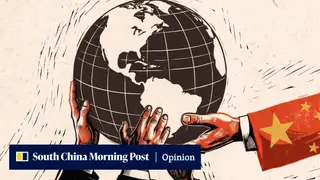
An opinion piece argues that China's rise raises the question of whether it is a superpower, but that the term may reflect an outdated definition of power. Beijing prefers to describe itself as a major country and advocates a more just international order. The article says China aims to exercise influence without making domination the central principle of international relations.
The opinion examines whether China, now widely viewed as a comparable rival to America, should be called a superpower. Beijing avoids that label, preferring “major country”; its governance paper urges a fairer world order.
The word “superpower” arose in the second world war. A 1944 study by William T.R. Fox placed America, Britain and the Soviet Union in a distinct group, citing their military and geographic influence in shaping peace afterward. Regina Ip, an Executive Council convenor and party chair, wrote the piece.
This debate may shape how publics, policymakers and businesses interpret China’s global role. If Beijing’s “major country” framing gains traction, it could affect diplomatic expectations, alliance calculations and media narratives. Citizens in China and abroad might encounter different accounts of power and responsibility, while scholars and officials may reassess older Cold War categories. The impact may be gradual and contested, depending on how other states respond.