Shower steam can bypass phone water-resistance, manufacturers warn
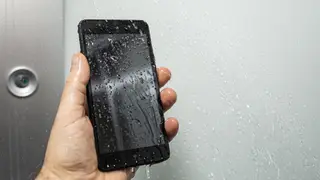
The article notes that IP67 and IP68 ratings indicate resistance to liquid water under specific conditions, not protection from hot steam. In a shower, steam can condense and enter through charging ports, speakers, buttons and seals, while heat and humidity can wear down those defenses. Apple and Google both advise keeping phones out of saunas and steam rooms, and liquid damage is typically excluded from warranties.
Manufacturers rate many handsets IP67 or IP68, but those numbers describe resistance to liquid water in defined test conditions rather than immunity to hot vapor. In a shower, steam can cool and become liquid around and inside a device, potentially reaching charging ports, speakers, buttons, and seals. Heat and damp air can also weaken the adhesives and barriers that keep moisture out.
Apple and Google both tell users to avoid saunas and steam rooms, and warranty terms generally do not cover liquid damage. Phones also have temperature limits—often around 95 degrees—so hot bathrooms may trigger shutdowns or accelerate battery decline. A Bluetooth speaker can keep music playing while the handset stays in a drier room.
This guidance may affect frequent shower-phone users, commuters, parents, and anyone relying on water-resistance claims. It could reduce surprise repair costs and warranty disputes if people move devices to drier rooms or use Bluetooth speakers. Manufacturers may face pressure to explain IP ratings more clearly, while consumers may reassess assumptions about "waterproof" gadgets. Overall impact may remain modest but practical, centered on habits and expectations rather than broad societal change.