Genghis Khan's burial site still undiscovered after nearly 800 years
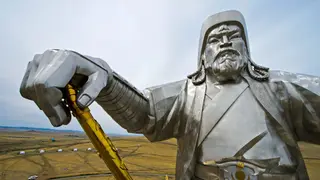
The location of Genghis Khan's tomb has remained unknown for almost eight centuries. This excerpt from Sam Kean's book explores the mystery and the extreme measures reportedly taken to conceal the grave. It also notes that archaeologists would consider the tomb one of the most desirable lost burials to find.
Genghis Khan, born around 1162 as Temüjin, rose from a threatened childhood to become Mongolia’s supreme leader in 1206. Accounts say his father was poisoned, his family was exiled, and he later escaped slavery and killed his half brother before unifying nomadic groups.
His armies used swift cavalry attacks, archery, and siege methods. After Merv surrendered in six days, a massacre reportedly left 700,000 dead. His rule also allowed conquered peoples to keep their faiths, protected envoys, barred torture in questioning, encouraged trade, and created an international postal network.
The enduring mystery may continue to draw public attention to archaeology and Mongolian history. Researchers could face pressure to balance scientific curiosity with respect for cultural and funerary traditions. For Mongolians and descendant communities, the tomb’s symbolism may shape heritage discussions and identity. Any future discovery could affect tourism, scholarship, and local economies, though ethical and legal questions would likely accompany it.