How the new Sense & Sensibility uses 18th-century folk music
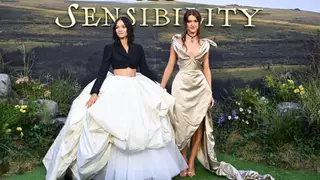
Georgia Oakley directs a new adaptation of Jane Austen's Sense & Sensibility, starring Daisy Edgar-Jones and Esmé Creed-Miles as the Dashwood sisters. The film avoids modern pop songs and instead uses specially recorded 18th-century English folk music sourced by music supervisor Connie Farr. Roger Goula composed the score, with the Fibonacci Quartet performing on screen and on the soundtrack.
Georgia Oakley directs this adaptation, written by Diana Reid, with Daisy Edgar-Jones as Elinor and Esmé Creed-Miles as Marianne. The cast also includes George MacKay, Frank Dillane, Herbert Nordrum, Caitríona Balfe, Fiona Shaw, Stacy Martin and Tom Brooke. It opened in UK cinemas on 25 September.
Connie Farr supervised music, choosing and recording 18th-century English folk songs suited to the late-1790s period. The Fibonacci Quartet appear on screen and on the soundtrack. Roger Goula wrote the score; Oakley said about 80% of his early sketches made the final film.
This release may draw Austen readers and period-drama audiences to cinemas, while its folk-music focus could introduce 18th-century English songs to listeners who rarely encounter them. Composers, musicians, and music supervisors may see greater interest in historically informed soundtracks. Because the film avoids modern pop, some younger viewers might find it less immediately familiar, but others could value its immersive approach. Its success may influence how future literary adaptations balance authenticity and accessibility.