Trump Rejects Iranian Hormuz Offer, Signals Possible Post-Election Strikes
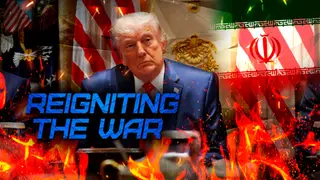
President Donald Trump said on September 26 that he turned down an Iranian offer to reopen the Strait of Hormuz, which Tehran linked to lifting the U.S. blockade of Iranian ports. The Wall Street Journal reported that Trump privately expects U.S. bombing of Iran to restart after November's midterm elections, though officials said he remains hesitant. Iranian President Masoud Pezeshkian said Qatar and Pakistan are still mediating but that Tehran has lost confidence in Washington after past attacks and sanctions.
The rejected proposal was conveyed via Qatari intermediaries during the UN General Assembly. Tehran reportedly tied reopening Hormuz to ending the U.S. port blockade, and its foreign minister said traffic could normalize in a week if conditions were met. Reports said the offer also sought release of at least $12 billion in frozen assets, relief on oil sanctions, and an end to the naval blockade.
Iran has said broader talks could cover nuclear issues, but an official told Reuters it would not surrender what it sees as uranium-enrichment rights or send highly enriched material abroad. Trump also posted a map that attached his name to the Strait and reiterated his nuclear warning.
If diplomacy remains stalled, uncertainty over Hormuz could raise shipping and energy costs, affecting consumers and industries beyond the Middle East. Iranians may face continued sanctions and possible renewed conflict, while U.S. personnel and regional states could bear heightened security risks. Mediators Qatar and Pakistan may see their roles tested. A post-election escalation, if it occurred, could further strain regional stability and global supply routes, though talks could still reduce risks.