Particle accelerators could shorten nuclear waste danger from millennia to centuries
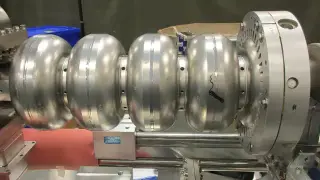
A multimillion-dollar government project is investigating whether particle accelerators can destroy or transmute the most dangerous nuclear waste. If the approach works, it could shorten the waste's hazardous lifetime from 100,000 years to a few centuries. The project is betting on accelerator technology to address long-lived radioactive material.
A government-backed effort, costing millions, is examining whether machines that propel particles can alter or eliminate the most hazardous forms of nuclear waste. The central question is whether such technology can reliably transform radioactive material that stays dangerous for very long periods into something less risky.
If successful, the approach might cut the period during which this waste poses a serious threat from as long as 100,000 years down to a few hundred years. The project reflects a wager that accelerator systems could become a practical tool for managing waste that remains risky for vast spans of time.
If the technology proves viable, communities near nuclear waste storage sites and future generations could benefit from a shorter period of hazard. The nuclear industry and regulators may gain another option for managing long-lived materials, though costs, safety, and scalability would remain uncertain. Taxpayers funding the government project might see either a valuable advance or an expensive experiment, depending on results. This remains a research question, not an established solution.