Cannabis leaves yield rare compounds previously unseen in plant
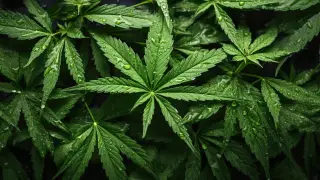
Analytical chemists at Stellenbosch University examined three commercially grown South African Cannabis strains and identified 79 phenolic compounds in the leaves. Twenty-five of these compounds had not been reported in Cannabis before, and 16 were tentatively identified as flavoalkaloids, a rare class of natural chemicals. The findings suggest that leaves often treated as waste may contain a richer source of potentially useful compounds than previously recognized.
Researchers at Stellenbosch University’s Central Analytical Facility used analytical chemistry to profile leaves from three commercial South African Cannabis varieties. They catalogued 79 phenolic substances; 25 were new to the species, and 16 were putatively classified as flavoalkaloids, a scarce natural category. Most of these rare compounds appeared mainly in a single strain.
Cannabis is already known to produce over 750 metabolites, yet phenolic analysis remains difficult because such molecules occur at low levels and vary structurally. The work appeared in Journal of Chromatography A.
The finding may encourage growers and processors to view Cannabis leaves as a potential resource rather than discard, possibly affecting agricultural waste and extraction industries. Researchers could investigate whether these compounds have biomedical uses, though any health benefits or products would require further study. Patients and consumers may eventually benefit only if safety and efficacy are established.