Managing Difficult Ties with Authoritarian Leaders
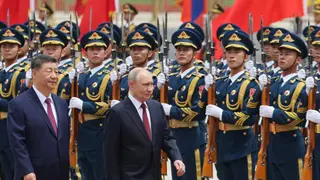
The article discusses the challenges of conducting foreign policy with powerful authoritarian leaders around the world. It considers how the United States can handle these complicated relationships.
The story sits within the broader practice of international diplomacy, where states maintain relations despite differences in political systems. The article focuses on the general challenge of conducting foreign policy with powerful authoritarian leaders and on how the United States can manage such complicated relationships. Because the available material does not identify particular leaders, countries, or events, the discussion remains at the level of broad diplomatic difficulty rather than specific cases.
How the United States manages difficult ties with authoritarian leaders could affect publics in the countries concerned, US citizens, and international institutions. Diplomatic choices may influence security, trade, migration, and governance conditions, though outcomes depend on many factors. Analysts, policymakers, and advocacy groups may debate the trade-offs, while affected communities could experience either greater stability or ongoing restrictions. The story’s impact may lie in shaping public understanding of these complex relationships rather than prescribing a single approach.