US and UK Navies Fire Heavyweight Torpedo from Uncrewed Submarine in First
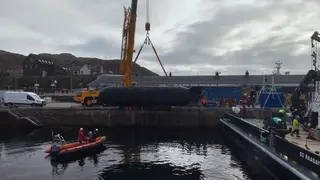
The U.S. Navy and Royal Navy conducted a first-of-its-kind launch of a 3,700-pound Mk 48 torpedo from the UK’s XV Excalibur drone submarine on September 13 at a Scottish test range. The test, part of Project Broadsword under AUKUS Pillar 2, checked whether an American weapon could be integrated with a British autonomous underwater vehicle. Officials said the trial demonstrated mechanical, electrical, and software compatibility, advancing allied undersea warfare interchangeability.
The trial occurred on 13 September at Scotland’s British Underwater Test & Evaluation Center. It paired a U.S. Mk 48 torpedo, a 3,700-pound anti-submarine and anti-surface weapon normally fired by crewed submarines, with the Royal Navy’s XV Excalibur, an extra-large uncrewed underwater vessel that can run autonomously or by remote control.
Project Broadsword, approved in February 2026 by the Department of the Navy Rapid Capabilities Office, involved OPNAV N97, the Royal Navy, the Defense Innovation Unit, NUWC Keyport, and industry partners. It moved from approval to trials in seven months. Excalibur had earlier been remotely operated from Australia, roughly 10,000 miles away, and served as an underwater technology testbed.
Advances in autonomous undersea platforms and weapon interchangeability may affect navies, defense industries, and coastal communities by moving some dangerous missions away from crews. They could also raise concerns about escalation, verification, and maritime safety, because uncrewed vessels carrying heavyweight torpedoes may complicate crisis decision-making. The technology may shape allied procurement and deterrence planning, while broader publics could see renewed debates over military autonomy, transparency, and defense spending.