Why Indiana Jones and the Last Crusade's Ending Still Stands Above the Adventure Genre
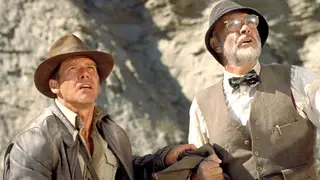
A retrospective praises the ending of Indiana Jones and the Last Crusade, 37 years after its release. The third film pairs Harrison Ford's Indy with Sean Connery's Henry Jones Sr. in a race for the Holy Grail against Nazis. The article argues the climax remains an unmatched adventure-genre finale.
The third Indiana Jones film places Ford’s archaeologist-adventurer alongside Connery’s Henry Jones Sr., his father, as they pursue the Holy Grail while Nazis seek it too. Henry’s expertise makes him a target, and the film balances globe-trotting action with their charming relationship.
The climax uses ancient traps, a trusting jump onto an unseen bridge, and a final test among many false Grails. Donovan ages to dust after choosing wrongly; Indy selects a humble cup linked to a carpenter, and the knight confirms his choice was correct. Practical effects and diary clues keep the sequence tense.
This retrospective may resonate with longtime fans and newer viewers, reinforcing the original trilogy's cross-generational appeal. Its focus on practical effects, father-son bonding, and clever puzzle-solving could encourage discussions about how older adventure films still shape modern blockbuster expectations. Streaming platforms and home-media sellers might see renewed interest, while filmmakers may look to its climax as a model for balancing spectacle with character.