Philippine EV Strategy Must Work Within ASEAN, Industry Leaders Say
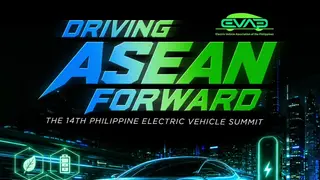
The Philippine Electric Vehicle Summit will focus on ASEAN cooperation, with EVAP playing a founding role in a regional federation of EV associations. The article argues that no Southeast Asian country can build an EV ecosystem alone because manufacturing, supply chains, and technical standards are deeply regional. It highlights cross-border policy and joint advocacy as operational necessities for the Philippines’ electrification goals.
The 14th Philippine Electric Vehicle Summit, scheduled for October 22, will place ASEAN cooperation at its center. EVAP helped found AFEVA with counterparts in Thailand, Malaysia, Singapore, and Indonesia; former EVAP president Edmund Araga now leads that regional federation.
Regional production is already divided: Indonesia processes battery materials from nickel, Thailand assembles passenger EVs, and the Philippines supplies minerals plus wiring harnesses and electronics. Because these networks cross borders, shared technical rules and coordinated policy are treated as practical requirements, not optional diplomacy.
If regional coordination advances, Philippine commuters and transport cooperatives could see more predictable EV standards, charging rules, and vehicle availability. Local electronics and wire-harness workers may benefit from cross-border supply-chain demand, while manufacturers and utilities may face pressure to align with ASEAN norms. Policymakers could gain a shared platform for technical and trade discussions, though outcomes may depend on implementation and how evenly regional benefits are distributed.