Gulf States Struggle to Balance U.S. Security Ties and Iran Risks
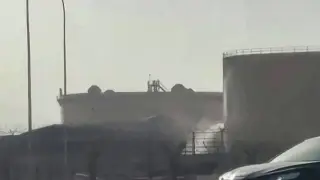
As the Iran war continues, Gulf Cooperation Council states remain dependent on U.S. protection but also face greater danger of Iranian attacks. They are diversifying security partnerships, pursuing diplomacy, and engaging Tehran directly as a survival strategy. The article argues a prolonged war could push them toward even more accommodation with Iran.
The six GCC members—Bahrain, Kuwait, Oman, Qatar, Saudi Arabia, and the UAE—remain reliant on U.S. security guarantees while facing exposure to Iranian retaliation. Their responses overlap: military cooperation with Washington, outreach to other regional partners, diplomacy, and direct channels to Tehran.
Saudi Arabia illustrates the hedging. Before the war, Riyadh wanted a NATO-like mutual defense pact, advanced arms, intelligence sharing, and basing support. The November 2025 Strategic Defense Agreement was less binding but permitted F-35 acquisition. Gulf frustration with Washington has become visible as costs mount.
A prolonged conflict may affect Gulf residents through economic disruption, energy infrastructure risks, and heightened security anxiety. Governments could face pressure to balance domestic concerns about war costs with reliance on U.S. protection. Businesses, migrant workers, and travelers may encounter instability. If Gulf states move toward accommodation with Tehran, regional tensions might ease or shift, but outcomes remain uncertain.