Older Adults Without Housing Are Ending Up in Nursing Homes
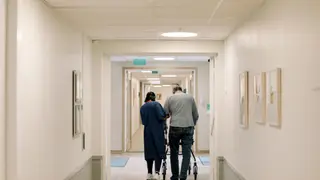
The article explores how older adults who become homeless after a medical crisis often end up in nursing homes even when they do not need that level of care. It cites research showing that one in 11 nursing home residents has low-care needs, and notes that nursing home care costs far more than subsidized supportive housing. The author argues that improving long-term care and housing options could help these individuals remain in their communities.
After a stroke or other serious illness, some people in their 50s and 60s lose jobs and housing during treatment. Many then face streets or shelters, while others enter nursing homes even though they can manage most daily tasks without hands-on help.
Research cited shows one in 11 nursing home residents need little physical care, with state rates from 2.5% in Hawaii to nearly 23% in Oklahoma. A nursing home year averages $119,340, compared with about $16,000 for subsidized permanent housing with support services.
This story may draw attention to older adults whose medical crises and housing loss push them toward institutional care. Families, caregivers, health systems, and communities could feel effects if limited housing options increase nursing home use or leave people unsheltered. Better matching care settings to needs may reduce costs and preserve independence, though outcomes depend on available housing, services, and local capacity.