US Withholds Support for UN Pandemic Preparedness Declaration
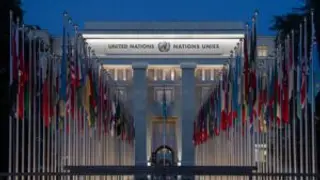
The Trump administration declined to back a proposed United Nations declaration on pandemic preparedness. It cited unresolved negotiations over pathogen sharing and disputed wording. The nonbinding measure therefore did not gain consensus.
The episode illustrates how international health diplomacy can hinge on consensus. A proposed UN declaration aimed at pandemic readiness did not gain consensus after the Trump administration declined to support it. The administration cited unresolved talks over the sharing of pathogens and contested language. Because the measure was nonbinding, its failure to secure agreement may reflect political and procedural obstacles rather than binding legal consequences. This situates the story within broader debates over how countries coordinate before and during health emergencies.
The lack of U.S. backing could affect how governments and international bodies approach future pandemic preparedness talks. Countries that rely on coordinated pathogen sharing and common declarations may face uncertainty if consensus remains elusive. Public health agencies, researchers, and communities vulnerable to outbreaks could feel the consequences indirectly, as nonbinding agreements often shape expectations, funding priorities, and diplomatic momentum. The impact may be limited, however, because the measure was not legally binding.